
Small Business
30 articles

Four Seasonal Hiring Strategies, Compared: Which One Fits Your Peak Season
This article compares four distinct seasonal hiring strategies—early recruitment, enhanced perks, tapping specific talent pools, and partnering with staffing agencies—to help businesses choose the best fit for their needs. It emphasizes aligning strategy with operational constraints, budget, and long-term talent goals, while also highlighting the importance of retaining seasonal workers.

Incubator, Pop-Up, or Marketplace? Picking the Right Shared Retail Model for Your Goals
Explore retail incubators, pop-up collectives, and marketplaces to find the best shared physical retail model for your business goals. Understand how each option supports long-term growth, market testing, or direct sales.
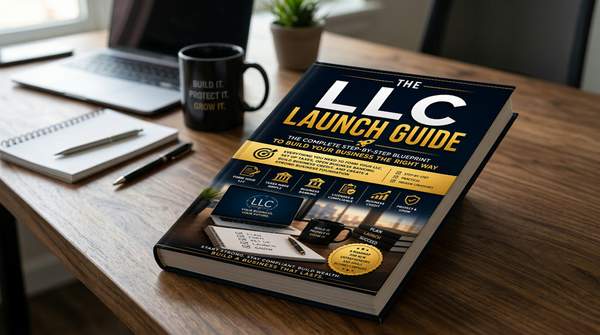
Financial Freedom Library’s LLC Launch Guide Covers What Business Registration Leaves Unfinished
Successfully registering a Limited Liability Company (LLC) is a significant milestone for any entrepreneur, but it's only the first step on a much longer journey. The administrative task of filing paperwork often leaves …

Turning POS and Social Media Data Into Decisions: A Small Business Framework
Small businesses can transform their existing POS and social media data into actionable business decisions. This guide offers a simple framework to connect data points to specific questions about inventory, marketing, and growth, requiring no new software.

How Local Zoning Rules Shape Small Businesses—and How to Check Yours Before You Sign a Lease
Local zoning ordinances determine if your business can legally operate at a specific address and impose restrictions on parking, signage, and operations. It's crucial to research a property's zoning designation and permitted uses before signing a lease, understanding that variances and conditional use permits may offer pathways for imperfect fits.

Before, During, and After: A Phased Disaster Preparedness Checklist for Small Businesses
Small businesses can significantly improve their survival odds by implementing a three-phase disaster preparedness plan: proactive preparation before, immediate response during, and effective recovery after. This phased approach, covering risk assessment, financial resilience, communication, and documentation, is crucial for continuity.

How to Find, Vet, and Partner With Local Suppliers: A Small Business Framework
This framework guides small businesses through a structured three-phase process to find, vet, and partner with local suppliers, enhancing supply chain resilience. It emphasizes building strong relationships based on trust and mutual benefit over solely focusing on price.

In-Store, Curbside, or Locker? Choosing the Right Customer Pickup Model for Your Small Business
Small businesses can choose from in-store, curbside, or locker pickup models, each with distinct operational, cost, and customer service implications. Selecting the optimal model requires evaluating your business's parking, staffing, order volume, and budget.

How to Start a Pop-Up Shop: A Step-by-Step Guide to Testing Products and Building Your Brand
A pop-up shop offers a cost-effective way to test products, gather customer feedback, and build brand awareness without a long-term lease. Success hinges on disciplined planning, from defining clear objectives and securing necessary permits to creating an engaging customer experience.

How Demand Forecasting, Reorder Points, and Safety Stock Work Together to Fix Small Business Inventory
Effective inventory management for small businesses relies on the interconnected techniques of demand forecasting, setting reorder points, and maintaining safety stock. Properly integrating these three elements prevents costly stockouts and overstocking, ensuring steady cash flow and satisfied customers.

How to Choose a Commercial Real Estate Broker: 3 Factors Small Businesses Should Score Before Signing
Small businesses can secure favorable commercial real estate terms by evaluating brokers on three key factors: local market knowledge, specialization, and negotiation track record. This guide provides a scoring checklist to help you compare candidates objectively.

Punch Cards, Points, or Buy-Ins: Which Loyalty Program Model Fits Your Business Goal?
Choosing the right loyalty program model—transactional, community-based, or investment-based—depends on your primary business objective: increasing visit frequency, fostering deeper engagement, or securing working capital. Aligning the program's rewards and structure with customer motivations is key to its success.

How Small Business Owners Can Influence Local Zoning: A Practical Guide to Public Input
Small business owners can shape local zoning and land-use decisions by participating in advisory committees, public meetings, and collective groups. This guide explains how to prepare effective comments that focus on community benefits to shape policies that support business growth.

The Small Business Guide to ADA Website Compliance: A Self-Audit Checklist You Can Run Today
Small businesses can audit their websites for ADA compliance using a self-checklist to identify common accessibility gaps like missing alt text or poor color contrast, helping them avoid lawsuits and improve user experience.

How Small Businesses Can Take Control of Their Online Reputation: A Four-Step Process and a Toolkit Decision Framework
Small businesses can strategically manage their online reputation through a four-step process: claiming profiles, setting up monitoring, establishing response protocols, and generating positive reviews. A decision framework helps choose the right toolkit based on budget, effort, and scope.

Choosing Sustainable Packaging: A Small Business Decision Framework
For most small businesses, recycled paper and cardboard packaging is the smartest starting point due to its affordability and customer familiarity. While compostable and reusable options offer greater environmental appeal, they involve higher costs and operational complexity, requiring careful consideration of product, brand, and operational capacity.

How a Local Merchant Association Turns Small Budgets Into Collective Clout
Local merchant associations leverage collective action to provide benefits like new customers, cost savings, and policy influence that individual small businesses can't achieve alone. The article offers a framework to help businesses determine if membership is a worthwhile investment by matching association offerings to specific needs.

Choosing a Small Business Payment Processor: Start With Architecture, Then Pricing, Then Integration
Choosing a small business payment processor starts with selecting the right architecture: a Payment Service Provider (PSP) or a traditional merchant account. This foundational decision impacts pricing models, setup complexity, and integration options.

How to Run a Small Business Waste Audit and Price Out Your Cardboard Savings
Conducting a waste audit is a practical step for small businesses to lower disposal costs and improve sustainability by identifying specific savings opportunities. By sorting and weighing waste, businesses can pinpoint materials like cardboard that dominate the stream, allowing for accurate calculation of potential recycling savings.

Four Criteria for Choosing the Right Business Consultant for Your Small Business
Selecting the right business consultant for your small business hinges on four key criteria: matching specialization and experience to your needs, verifying a strong track record and measurable results, understanding their fee structure and value, and ensuring a compatible communication and working style.

Points, Tiers, Punch Cards, or Hybrid: Which Loyalty Program Fits Your Small Business?
Choosing the right loyalty program for your small business means selecting a model that effectively changes customer behavior without eroding margins. This guide compares points, tiered, digital punch card, and hybrid programs to help you align your choice with specific business goals, operational capacity, and budget.

CEO Times Profiles Brad Sugars Around the Idea That Entrepreneurship Can Be Taught
CEO Times profiled Brad Sugars on the idea that entrepreneurship can be taught, emphasizing his programs and frameworks that convert business experience into learnable, practical skills. This approach challenges the notion of entrepreneurship as an innate instinct, making business capability accessible through structured learning.

The Squeeze on Main Street: How Gentrification Challenges Legacy Businesses
Gentrification creates economic and demographic pressures that threaten legacy small businesses, but documented strategies like preservation programs and façade improvements offer pathways for adaptation and survival.

A Small Business Owner's Guide to Securing a Zoning Variance
Securing a zoning variance is crucial for small businesses needing property-specific waivers from zoning rules for expansion or adaptation. This guide outlines the challenging process, focusing on proving "unique hardship" and submitting a meticulous application for board approval.

How Local Business Collaboration Strategies Drive Growth
A small bakery in Portland, Oregon, saw its revenue jump 40% in a single year not by opening new locations, but by partnering with three local coffee shops and a flower delivery service for joint prom

WhatsApp Power Your Hustle campaign empowers Nigerian small businesses
In Lagos, the founder of FHR Spices now focuses entirely on production, while an AI-powered assistant within WhatsApp Business handles all customer inquiries.

How to Get Local Business Permits and Licenses
Restaurateurs in New York City typically need some 30 permits, registrations, licenses, and certificates, along with up to 23 separate inspections to start their business, according to the Manhattan I

Ways to Support Local Businesses in 2026
In San Francisco, a 'First Year Free' program saved qualifying new businesses over $7 million.

Buying and Scaling Companies With Brad Sugars’ Entrepreneurs MasterClass
Brad Sugars’ Entrepreneurs MasterClass, part of the Scale Master $10M Club, focuses on buying, selling, and scaling companies through acquisition. The two-day session, scheduled for October 14-15, 2026, covers acquisition strategy, due diligence, deal structure, and integration.

Main Street disaster relief in 2026 is an illusion, recovery efforts fall short.
After a historic flood, my fiancée and I incurred $5,000 in out-of-pocket costs for basement damage, even after insurance coverage.