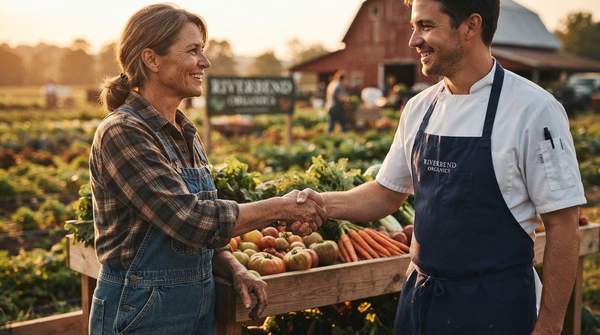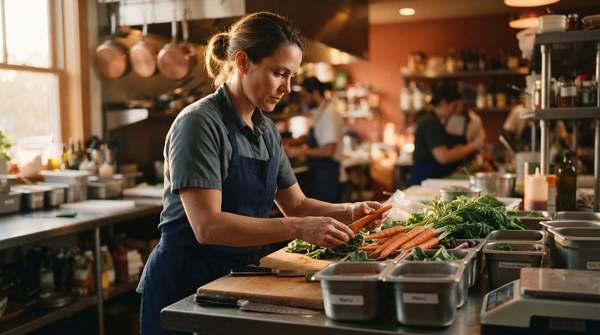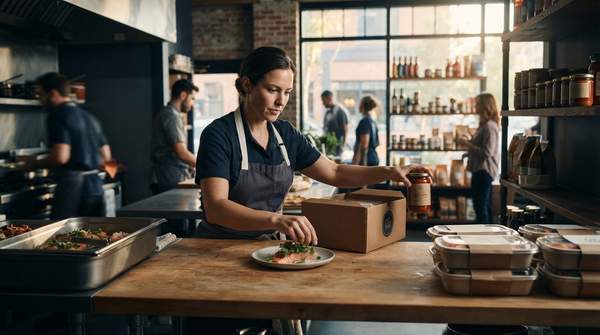
For most restaurants, moving from a traditional distributor to farm-to-table sourcing is less a procurement swap than an operational redesign. The core change, as OpenTable's restaurant sourcing guide frames it, is direct communication with producers instead of intermediaries, shorter supply chains, seasonal menu planning, different pricing arrangements, smaller and more frequent deliveries, and a need for backup suppliers when local products run out. The right entry point depends on your volume needs, how flexible your menu can be, and how much staff time you can spend on logistics.
Understanding Farm-to-Table Sourcing Models
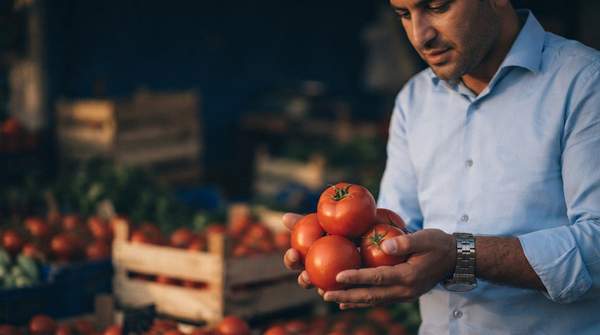
Three practical models dominate local sourcing. A direct farm partnership means one-on-one relationships with individual growers: maximum freshness and story value, but volumes that depend on that farm's capacity and seasonal yield. Farmers market sourcing puts a staff member at the market selecting product weekly — small, highly seasonal quantities best suited to specialized items or supplementing other channels. Food hubs sit in between: they aggregate products from multiple farms to meet the volume and consistency needs of wholesale buyers, an approach Oklahoma State University Extension describes as solving the limited-supply problem that keeps small producers out of wholesale markets.