For many restaurant owners, the dining room is the heart of the business, but relying solely on dine-in sales can be a vulnerable strategy. As Eric Sornoso, CEO of the restaurant connection service Mealfan, points out, this dependency proved risky during the pandemic. By developing alternative revenue streams, restaurants can build resilience and connect with a broader audience. Offering services like catering, meal kits, or branded retail goods can capture business from customers who may not have the time or opportunity to dine in, effectively widening the customer base and increasing overall sales.
However, not all diversification strategies are created equal. Each path presents a distinct set of challenges and rewards, demanding a unique mix of initial investment, operational adjustment, and business acumen. Choosing the right option requires a careful evaluation of your restaurant’s existing strengths, from kitchen capacity and staff expertise to brand recognition. This analysis compares three popular strategies—catering, meal kits, and branded retail—to illuminate the trade-offs and help you identify the most promising path for your business.
Revenue Diversification Strategy Comparison
Selecting a new revenue stream requires a clear-eyed assessment of the resources you will need to commit versus the potential returns. The following table provides a side-by-side comparison of three popular diversification models, using industry data to highlight the distinct trade-offs of each approach. This allows for a quick evaluation of which strategy might best align with your financial goals and operational capacity before diving into the specific details.
| Strategy | Initial Investment | Potential Profit Margin | Operational Complexity |
|---|---|---|---|
| Catering and Events | Medium to high | 30-60% | High |
| Meal Kits / Subscriptions | Medium | 25-40% | Medium to high |
| Branded Retail Goods | Medium to high | 40-70% | High |
Catering and Events: High Margins, Managed Complexity
Expanding into catering and events can be a lucrative venture, with potential profit margins estimated between 30% and 60%. An analysis from OpenTable highlights that these margins are often "significantly better than in-restaurant dining." The primary reason is predictability; with catering, you know the exact number of guests and the menu in advance, which allows for precise purchasing and staffing. This controlled environment streamlines service and minimizes waste, directly boosting profitability. For smaller operations, starting with drop-off catering can be an accessible entry point, offering a strong return with less logistical complexity than full-service events.
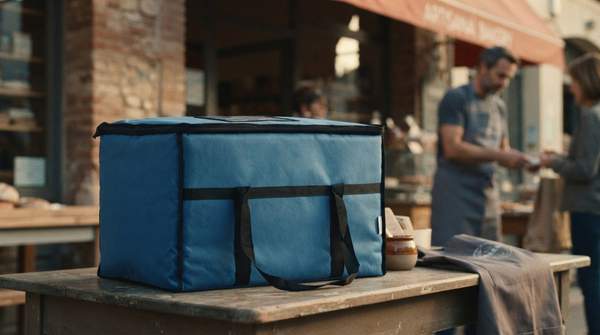
Despite the financial upside, this strategy is operationally demanding. The initial investment is rated as medium to high, and the operational complexity is considered high. Launching a catering arm may require purchasing new equipment for food transport, specialized serving dishes, and potentially vehicles. Furthermore, it demands meticulous planning and coordination that differs from the daily rhythm of a restaurant. OpenTable’s resources suggest operators can manage this complexity by rethinking what constitutes an "event," noting that it "can be as simple as a set menu for eight guests." This approach can increase check averages without immediately requiring a large, dedicated events team.
Meal Kits and Subscriptions: Expanding Reach with Prepared Offerings
Meal kits and subscription boxes allow a restaurant to package its unique culinary identity for customers to enjoy at home. This model taps into a consistent consumer demand for convenient, high-quality meals that don't require a trip to the restaurant. With potential profit margins estimated between 25% and 40%, this strategy can create a steady, recurring revenue stream and extend a brand's reach far beyond its physical location. It effectively transforms loyal diners into regular subscribers, building a more predictable financial foundation.
The initial investment for a meal kit service is considered medium, but the operational complexity ranges from medium to high. This complexity arises from creating entirely new production and fulfillment systems. Restaurants must develop efficient workflows for portioning ingredients, sourcing appropriate and often branded packaging, and managing inventory for two distinct business lines. The logistics of coordinating delivery routes or managing a customer pickup schedule add another layer of management that is fundamentally different from the controlled chaos of a dinner service.
Branded Retail Goods: Leveraging Your Culinary Identity
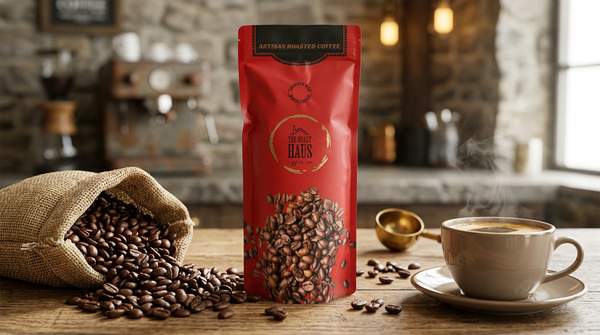
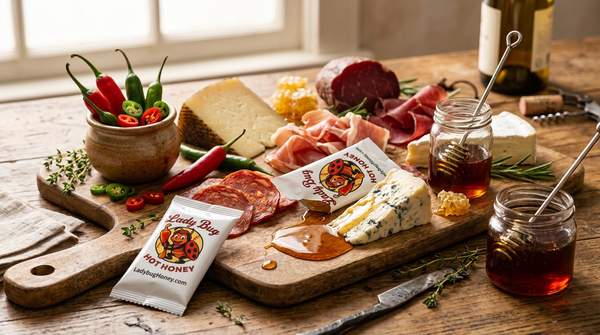
Creating and selling branded retail goods—such as signature sauces, spice rubs, frozen entrees, or jarred pickles—presents the highest potential profit margin of these three strategies, estimated at an impressive 40% to 70%. This approach leverages the brand equity and culinary reputation you have already built. According to hospitality consultant Guy Llewellyn, a mid-range restaurant can create a "mini shopping outlet" with its dry or preserved food stock. This not only generates a new revenue stream but can also help manage kitchen inventory more effectively and free up valuable storage space.
The path to retail success, however, is marked by high operational complexity and requires a medium-to-high initial investment. The process of turning a house recipe into a shelf-stable, retail-ready product is a significant undertaking. It involves much more than just cooking; operators must navigate challenges like sourcing commercial packaging, complying with food safety and labeling regulations, and establishing sales channels, whether in-store, online, or through wholesale partners. While it builds on existing culinary skills, the leap into consumer packaged goods requires a distinct set of business capabilities.
Key Operational Factors and Hidden Costs
Regardless of the chosen strategy, diversifying revenue introduces new operational demands that extend beyond the initial investment. Catering, for example, requires a different style of service and staffing. While OpenTable notes that staffing can be streamlined for pre-planned events, it often requires a team trained in off-site service, which is a different skill set from that of a traditional floor staff. Similarly, meal kits and retail products demand a production-line mentality that can disrupt the normal flow of a restaurant kitchen if not properly segregated.
Hidden costs can also emerge. For meal kits, the ongoing expense of high-quality, insulated packaging and the potential fees for third-party delivery services can eat into the 25-40% profit margin. For branded retail, costs for professional label design, barcode registration, and potential slotting fees to get products into local grocery stores can add up. Each strategy requires a careful analysis of the entire supply and delivery chain, not just the cost of goods, to ensure the venture remains profitable.
Making an Informed Decision for Your Restaurant
Restaurant owners should evaluate catering, meal kits, or branded retail goods based on their existing kitchen infrastructure, staffing capabilities, and desired profit-to-complexity ratio. There is no universally superior option; the ideal choice is deeply rooted in a restaurant's unique identity and resources. A business with a large, well-organized kitchen and an experienced team might be perfectly suited for the high-touch, high-reward world of catering. In contrast, a restaurant with a cult-favorite hot sauce and strong brand recognition could find a more direct path to profitability through retail.
The final decision should be guided by a realistic assessment of your operational strengths. Before committing, map out the new workflows, identify potential bottlenecks in your kitchen, and calculate the true cost of entry, including labor and materials. A chosen strategy's initial investment, operational adjustments, and early profit margins should align with the comparative data and the restaurant's specific resources.
Sources
- Off Menu: Alternative Revenue Streams for Bars & Restaurants — Bar & Restaurant
- Restaurant Revenue Diversification: Expert Insights & Strategies — OpenTable Resources
- Diversification of restaurant revenue today — Hotel Yearbook