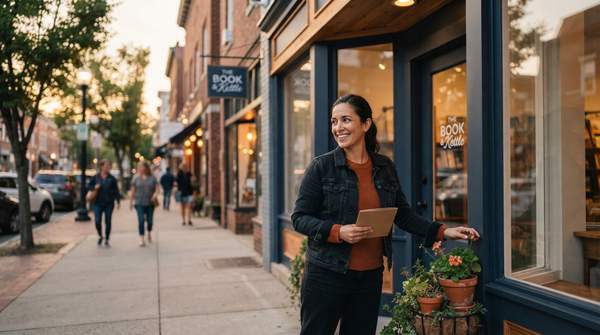
Pop-up shops offer entrepreneurs and property owners a strategic way to test new business concepts, introduce products, and revitalize vacant retail spaces. These temporary retail experiences require careful planning, from defining clear objectives to managing logistical details and evaluating post-event success.
While launching a pop-up generally demands less effort than opening a permanent brick-and-mortar store, thorough preparation is still essential for success, according to the U.S. Chamber of Commerce. A well-executed pop-up can build brand awareness, generate sales, collect customer feedback, and even test the viability of a potential permanent location, as noted by Square.
The Strategic Edge of Pop-Up Shops: Benefits and Goal Setting
Pop-up shops serve as a versatile tool for businesses and property owners. For entrepreneurs, they provide a controlled environment to experiment with new product categories, limited-edition collections, or updated merchandising strategies, allowing for immediate in-person feedback, as highlighted by Storefront. This direct interaction helps teams observe customer reactions and refine their offerings in real time. The U.S. Chamber of Commerce also points out that pop-ups are an excellent way to test a new business idea or explore expanding into a new market.
For property owners, pop-ups can help fill vacant spaces, bringing temporary vibrancy and potential revenue. Regardless of the specific context, defining clear business goals is the crucial first step. These objectives, which could include sales targets, brand awareness, customer engagement, or data collection, will guide every subsequent planning decision, according to Mailchimp, as cited by the U.S. Chamber of Commerce. Aptos suggests creating a project brief to outline these goals, along with details like your brand's style guide and planned activities within the space.
Crafting Your Pop-Up Budget
One of the key advantages of pop-up shops is their potential to be less expensive than permanent storefronts due to their temporary nature and flexible locations, according to Square. A survey by Storefront indicated that 44% of retailers spent less than $5,000 on their pop-up space. However, a clear understanding of your budget is essential, as it influences all subsequent planning decisions, according to Storefront.
When determining your budget, Aptos advises aligning it with your brand's style guide, as consumer expectations remain high for both temporary and permanent retail experiences. Key line items to consider include rent, staffing, and a production budget. The production budget encompasses various expenses such as build-out costs, utilities, store fixtures and decor, signage, Wi-Fi, technology integration, merchandise, shipping, warehousing, permits, opening reception, cleaning, refuse pick-up, and breakdown expenses.
Selecting the Ideal Pop-Up Location
Choosing the right location is critical for a pop-up shop's success, as it can significantly enhance brand awareness and customer connection without the long-term commitment of a traditional store. Square identifies several types of spaces suitable for pop-ups, including dedicated pop-up venues that offer short-term leases, spare space within larger retail outlets or entertainment venues, local street markets like farmers' markets, or even mobile spaces such as food trucks. Trade events or industry-specific gatherings also present opportunities where customers are already seeking products like yours.
When evaluating potential sites, consider factors such as foot traffic, rental costs, and proximity to your target customer. Aptos suggests considering whether you need a "turn-key" space, which is ready for immediate use, or a "raw space" that requires more build-out. The type of pop-up you envision—whether a small "pop-in" shop, a single location, a multi-city event, or a mobile experience—will also influence your location choice.
Navigating Logistical Preparations and Permits
Thorough logistical preparation is vital for a smooth pop-up operation. This includes identifying and obtaining all necessary permits and licenses, as local regulations can vary significantly. Beyond permits, planning for operational aspects is crucial. This involves securing staff support, managing inventory, and setting up a reliable payment system, as Square highlights.
Additionally, consider the practicalities of setting up and breaking down your space. This includes planning for the installation of displays, furniture, banners, and signs. Storefront emphasizes the importance of leaving enough time and energy to clean the space thoroughly after the event, ensuring it is returned in the condition it was found. Responsible disposal of commercial waste in line with local regulations is also a key consideration, with specialized services available to assist.
Marketing Your Pop-Up for Maximum Impact
For short-term events like pop-ups, a comprehensive marketing plan is essential to build excitement and generate momentum, according to the U.S. Chamber of Commerce. This plan should be structured in three stages: pre-event, during-event, and post-event.
Pre-event marketing focuses on building buzz before the pop-up opens. The U.S. Chamber of Commerce suggests leveraging social media, email lists, websites, and other customer touchpoints. They also emphasize the power of local advertising, such as directories, magazines, and flyers, which can sometimes be overlooked in the digital age. During the event, continued promotion helps maintain engagement, while post-event marketing can sustain interest and drive future sales.
Post-Event Evaluation: Measuring Success and Learning
After your pop-up shop concludes, a thorough post-event evaluation is crucial for understanding its performance and informing future ventures. Square suggests considering key metrics such as total sales, average transaction value, the number of new customers acquired, growth of your email or SMS marketing list, social media engagement and mentions, and changes in online store traffic post-event. Utilizing analytics tools can help track this performance effectively.
Storefront also recommends reflecting on questions like whether you would repeat the experience, if the location was optimal, and what you would do differently next time. This evaluation helps in understanding what worked well and what areas need improvement, allowing you to refine your approach for future pop-up opportunities.
Pop-Up Shop Planning Checklist
To systematically plan and execute a pop-up shop, ensuring all critical steps from goal setting to post-event evaluation are addressed, use the following checklist:
| Planning Stage | Action Item | Key Considerations |
|---|---|---|
| Goal Setting | Define Objectives | Clearly outline what the pop-up aims to achieve, such as announcing a new product, educating customers, collecting data, or testing a new market. Goals should be specific and align with broader business initiatives. |
| Budgeting | Allocate Funds | Determine the maximum amount willing to be spent, considering factors like rental costs, setup, permits, and breakdown procedures. Budget clarity is essential as it influences all subsequent planning decisions. |
| Site Selection | Choose Location | Evaluate potential spaces based on foot traffic, rental costs, proximity to your target customer, and the type of pop-up format. The right location enhances brand awareness and customer connection without traditional store hassle. |
| Logistical Preparation | Secure Permits & Operations | Identify and obtain necessary permits and licenses, and plan for operational aspects like staffing, inventory, and payment systems. Local regulations vary and require specific attention. |
| Marketing | Promote Event | Develop a marketing plan with pre-event, during-event, and post-event stages to build excitement and generate momentum. Building buzz is critical for short-term events. |
| Post-Event Evaluation | Measure Success | Assess the pop-up's performance against initial goals, analyzing sales, brand awareness, customer engagement, and feedback. Evaluation helps in understanding what worked and what needs improvement for future ventures. |
Deciding on Your Next Pop-Up Move
Entrepreneurs and property owners should proceed with pop-up planning by first clearly defining their primary goals and then systematically working through budgeting, site selection, and logistical preparations, acknowledging local regulatory variations. A completed project brief outlining specific goals, budget allocation, and a short-listed set of potential locations serves as a measurable indicator of progress.