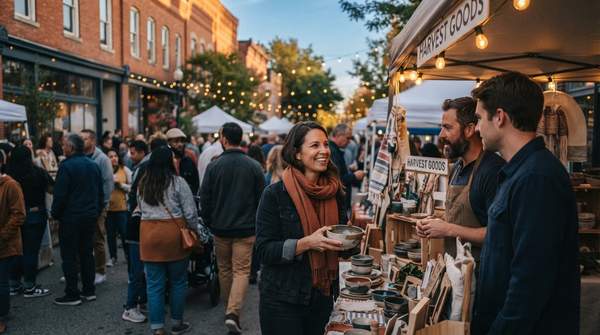
Community events can raise your visibility, bring in sales, and build loyalty. But the right way in depends on two things: what you want to achieve, and what you can afford to spend in money and staff time. A business chasing direct sales should choose differently from one building long-term goodwill.
This guide walks you through the four main participation models, a decision framework for choosing among them, and the tactics that turn a busy weekend into lasting customers.
Why Local Events Matter for Your Business
Community engagement is more than a business strategy, as the team at Congdon Yards, a North Carolina community and business space, puts it: it is "a commitment to your local area that helps you build trust while increasing your brand's reputation."
The payoff is not limited to a single weekend. Writing for Greektown Chicago's small business audience, contributor Bill Ross notes that participating in community events and supporting local organizations helps small businesses build their brand, connect with potential customers, and demonstrate commitment to the community.
Marketing guidance aimed at restaurants from The LOOMIS Agency reaches a similar conclusion: engaging actively in local events builds relationships and fosters a loyal customer base. The consistent thread across these sources is that events work best as relationship-builders, not just sales channels.