Community events can do more for your business than one busy December weekend. From farmers markets and street fairs to charity runs and business expos, local events create real-world opportunities to get seen, remembered and talked about, according to VistaPrint's local marketing guide. The key is treating each event as a three-phase project: plan before, engage during, and follow up after. Here is a framework for doing exactly that.
Introduction: Year-Round Community Engagement for Small Businesses
Most small businesses think of community events as a holiday tradition. But the calendar is full of opportunities. Downtown markets, seasonal festivals, fundraisers, expos and pop-ups run throughout the year.
Community engagement is more than a business strategy. As the team at Congdon Yards, a High Point, North Carolina event venue, puts it, it's "a commitment to your local area that helps you build trust while increasing your brand's reputation."
The payoff is concrete. VistaPrint's 2025 Small Business Marketing Guide found that 64% of consumers prefer to shop in person, and 58% of small business owners still rely on business cards. Offline presence matters.
But showing up is not enough. You need a plan that matches your goal to the right event, the right level of involvement, and the right follow-up. That is what the rest of this guide delivers.
One note on scope: this is a marketing framework, not legal or logistical advice. Permits, insurance and vendor contracts are outside this guide, and it covers participating in existing events rather than organizing a large one from scratch.
Phase 1: Pre-Event Planning – Selecting Events and Setting Goals
Start by matching your goal to the event type. VistaPrint advises that your goal "will shape everything from signage to handouts."
Markets and festivals suit sales and lead generation, with a booth that's easy to browse. Fundraisers and charity runs build visibility and goodwill, so brand sentiment and community are the right goals there. Showcases and expos fit networking, credibility and B2B conversations, where your aim is to start conversations and book follow-ups.
Next, choose your level of involvement. Sponsorship is one of the simplest tactics: in exchange for supporting an event, most sponsorships offer logo placements and mentions from leadership during remarks. Congdon Yards notes that sponsoring popular community events can increase your company's reputation and generate trust with other organizations in your area.
A vendor booth is a bigger commitment but puts you face to face with customers. Hosting or co-hosting an event, often in collaboration with other small businesses, brings multiple companies under one roof to grow your customer base and professional network at once. Pop-ups are limited-time promotional events where you can feature seasonal items and point people to your regular storefront.
Finally, define measurable goals before you commit. Adobe's community event marketing guide makes goal-setting the first step of any event marketing plan: identify how many people you want to attend and how many you want to reach, and decide which metrics you'll use to track and report. Concrete examples include a target number of loyalty program sign-ups, leads collected, or sales made.
Community Event Marketing Action Plan
Use this matrix to build a complete plan for any event. It sorts the tactics above into a chronological workflow, so no critical marketing step is missed, from goal-setting and promotion through on-site engagement to lead nurturing and measurement.
| Involvement Type | Primary Goal Alignment | Key Tactics | Measurement Indicators |
|---|---|---|---|
| Sponsorship | Reputation, trust and brand awareness; fundraisers and charity runs are especially good for visibility and goodwill | Pre-event: confirm logo placement and speaking mentions. During: promote your sponsorship on social channels. Post: thank organizers publicly | Attendance, engagement, social media mentions |
| Vendor booth / pop-up | Direct sales and lead generation; markets and festivals reward an easy-to-browse setup | Pre: promote your booth and automate posts. During: decorate the space, offer interactive games or giveaways, prepare staff to discuss services, run event-exclusive specials. Post: distribute coupons or codes usable after the event | Purchases, event-only voucher and offer code redemptions, unique URL visits |
| Hosting / co-hosting | Community building, expanded customer base and professional network | Pre: coordinate with partner businesses and set shared goals. During: cross-promote to each partner's audience. Post: follow up with attendees and partners | Attendance, engagement, loyalty program sign-ups |
Whatever the involvement type, the same measurement toolkit applies. VistaPrint highlights simple tracking tools like event-only vouchers, unique URLs and offer codes that make offline ROI easier to measure.
Phase 2: During-Event Engagement – Maximizing On-Site Impact
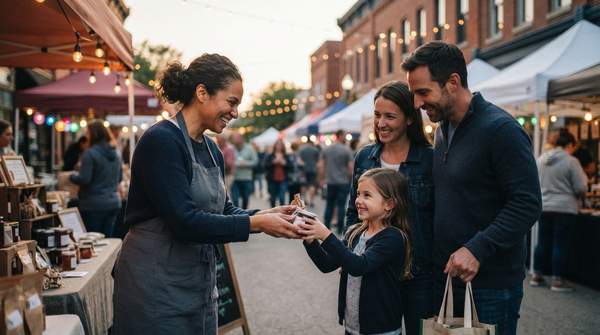
On event day, your booth is more than a storefront. Congdon Yards describes it as "an extension of your business." Decorate it to draw people in, include interactive games or promotional giveaways, and prepare employees to talk about your services with attendees.
Offering specials and discounts tied to the event encourages attendees to buy, especially if the offer is exclusive. You can also distribute coupons or discount codes that can be used after the event, which leads to more returning customers.
Keep your digital channels working while you work the crowd. Adobe recommends automating social media posts before, during and after the event so you can keep your community engaged while focusing on other details.
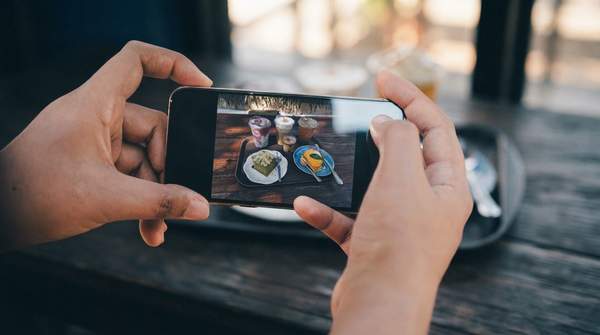
Encourage attendees to post pictures from the event and tag your business online. That turns your visitors into promoters and extends your reach beyond the venue.
Remember that promotion works as a mix, not a single tactic. Eventbrite's event marketing guide lists email campaigns, social media, SEO, event platforms, paid ads and audience retargeting as complementary approaches, each playing a different role in your plan.
Phase 3: Post-Event Follow-up – Nurturing Leads and Measuring ROI
The event isn't over when the booth comes down. After a well-deserved rest, Adobe advises revisiting your goals and evaluating attendance, engagement, and purchases or donations, then documenting what you've learned for your next event.
Redeem the follow-up offers you distributed. Those post-event coupons and discount codes exist precisely to bring attendees back to your business, so track how many come in.
Connect the event to your broader marketing goals. Jessica Elliott, writing for CO— by the U.S. Chamber of Commerce, suggests revenue-linked goals like increasing sign-ups to your customer loyalty program or generating leads through forms and downloads. An event is a natural moment to ask for exactly those.
Then compare results against the metrics you set in Phase 1. Did you hit your sign-up target? How many offer codes were redeemed? Those numbers tell you whether this event type deserves a repeat next year.
Sustaining Engagement: Your Next Steps in Community Event Marketing
Small businesses should implement a continuous cycle of planning, executing, and evaluating community event participation to build year-round customer engagement and brand loyalty.
That cycle looks like this: match your goal to the event type, choose the involvement level your budget supports, set measurable targets before you commit, engage attendees with an attractive setup and exclusive offers, then follow up and measure everything.
Success is visible in specific numbers: increased loyalty program sign-ups, direct sales attributed to events, and consistent positive social media mentions following event participation. Track those after every event you attend.
One honest caveat: this framework synthesizes general marketing principles into a chronological action plan, and specific tactics will vary by event and business. It is not a substitute for professional advice tailored to your industry.
Start small if you need to. Sponsor one charity run, or run one booth at a spring market. Measure the results, document what you learned, and let that evidence decide where your event calendar goes next.
Sources
- Small Business Offline Event Marketing Tactics — Vistaprint Ideas and Advice US
- How To Engage The Community Through Local Events — Congdon Yards
- A comprehensive guide to community event marketing — ADOBE
- Event Marketing: Strategies to Promote Events Successfully — Eventbrite All Access
- Crafting a Social Media Content Plan: A Step-by-Step Guide — Uschamber