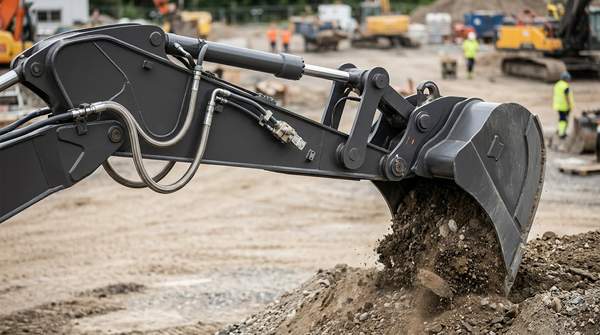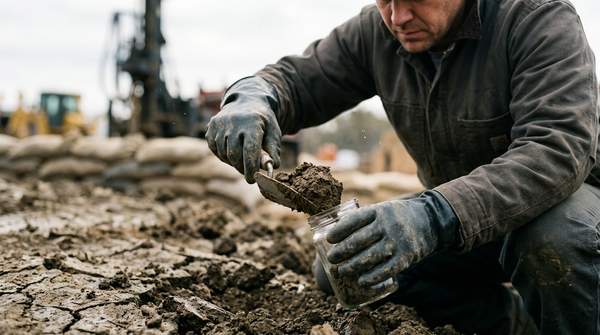
Contaminated land remediation can influence almost every part of a development project, from earthworks and waste management to sequencing, cost control and final verification. Selecting the right contractor is therefore a technical and commercial decision, not simply a matter of comparing prices. Grounded Environmental combines contaminated land expertise with practical remediation contracting experience, helping clients develop solutions that can be implemented safely, compliantly and realistically on site.
A contractor should understand the environmental objective and the conditions in which the work must be delivered. A technically credible proposal needs to account for site access, construction interfaces, material movements, programme constraints and the evidence required to demonstrate that the remediation objectives have been met. Considering these factors before work starts can help a project team make a more informed appointment.
Start with the Site's Actual Risks and Objectives
Before requesting proposals, establish what the project is trying to achieve. The required approach will depend on the site's history, investigation findings, contaminants of concern, proposed end use and relevant regulatory requirements. A site intended for housing may raise different questions from a commercial or industrial redevelopment. The presence of a contaminant does not, by itself, determine the correct remediation method.
A contractor should be able to explain how the available information supports the proposed scope and identify gaps that could affect delivery. If the investigation is incomplete or the extent of contamination remains uncertain, further assessment may be needed before quantities, methods and costs can be defined with confidence. Be wary of proposals that appear precise while overlooking unresolved assumptions.
Clear remediation objectives also help the project team assess whether the work has been completed successfully. These objectives may relate to removing or treating particular materials, managing exposure pathways, protecting controlled waters or demonstrating that the site is suitable for its intended use. The specific requirements must be established for the project and agreed through the appropriate technical and regulatory process.
Look for a Strategy That Can Be Delivered on Site
A remediation strategy should set out the proposed approach and explain how it addresses the identified risks. Depending on the site, this may involve excavation and removal, treatment, appropriate reuse of materials, containment or a combination of measures. Options should be evaluated in context, taking account of effectiveness, feasibility, cost, programme and regulatory requirements.
A strong contractor understands how the strategy translates into daily site operations. Where will excavated material be placed? How will different soil types be segregated? What controls will prevent unsuitable material from being mixed with clean or reusable soils? How will plant access, haul routes, dust, odour, water management and neighbouring activities be handled? These practical questions can affect whether the proposed method works efficiently once construction begins.
Grounded Environmental's approach links remediation strategy and design with real-world delivery. Its stated services include options appraisal, remediation method selection, regulatory engagement and implementation planning. This delivery-led perspective is particularly relevant where a project needs its technical strategy to align with earthworks, construction sequencing and commercial objectives.
Assess Waste Management and Soil Reuse Capability
Soil classification and disposal can be major cost and compliance considerations on remediation projects. A contractor should understand the evidence needed to classify waste, the appropriate routes for treatment or disposal and the documentation required to demonstrate that materials have been managed correctly. The correct approach depends on the material's characteristics and the applicable legal and regulatory framework.
Ask how sampling and classification will be organised, who will review the results and how the proposed waste route will be confirmed before material leaves the site. Clear procedures help reduce the risk of unsuitable loads, avoidable rehandling or delays caused by missing documentation. Cost estimates should make their assumptions visible, including expected quantities, transport requirements and disposal or treatment charges where known.
Soil reuse may also be worth assessing. Under the appropriate circumstances, a Materials Management Plan (MMP) prepared within the CL Definition of Waste: Development Industry Code of Practice framework can support the legitimate reuse of suitable excavated materials. It is not a blanket exemption for moving soil, and the project's eligibility, materials, planning, documentation and implementation must satisfy the relevant requirements. A capable contractor should understand how an MMP fits into site operations and what records and verification may be needed.
Check How the Contractor Will Manage Programme and Interfaces
Remediation rarely happens in isolation. It may overlap with demolition, enabling works, utilities, drainage, foundations and bulk earthworks. A contractor's programme should identify the key dependencies and explain what information or access is needed from the wider project team. It should also make clear which activities can proceed in parallel and which rely on results, approvals or completion of earlier tasks.
Ask who will coordinate with the principal contractor, environmental consultant, designer, waste providers and relevant authorities. A fragmented delivery model can create uncertainty about who is responsible for decisions when site conditions differ from expectations. Clear roles and escalation routes are particularly important when unexpected materials are encountered or investigation findings change the planned approach.
Understand Cost Assumptions Before Comparing Tenders
The lowest tender is not necessarily the most economical outcome. Quotes can differ because they make different assumptions about quantities, contamination extent, treatment methods, disposal classification, access, working hours and verification requirements. A meaningful comparison should examine the scope behind each price and identify exclusions, provisional sums and potential variations.
Request a clear breakdown of the proposed work, the basis for quantities and rates, and the circumstances that could trigger additional costs. Check whether sampling, testing, transport, treatment, disposal, reporting and validation are included or priced separately. Where information remains uncertain, ask how that uncertainty has been allowed for and what further evidence would improve the estimate.
A realistic budget should also consider the consequences of programme changes and interfaces with other trades. A method with a lower direct cost may require more handling, occupy critical working areas for longer or complicate sequencing. Equally, a more intensive approach is not automatically better. The objective is a proportionate solution that meets the agreed requirements and can be delivered effectively.
Establish How Compliance and Verification Will Be Demonstrated
Remediation needs appropriate records as well as physical work. Depending on the agreed strategy, evidence may include waste classification records, transfer documentation, treatment records, photographs, sampling results, material tracking and validation reports. The precise requirements will vary by project, and should be defined before work begins.
Ask the contractor how records will be collected, reviewed and handed over. Clarify who is responsible for sampling, laboratory arrangements, interpretation of results and preparation of the verification or validation report. These responsibilities should align with the remediation strategy and any relevant regulatory requirements. Do not assume that completion of excavation alone demonstrates that the remediation objectives have been achieved.
A clear verification plan helps avoid last-minute gaps in evidence. It can also make handover more straightforward by setting out the records needed to show what was done, where materials went and whether the agreed objectives have been met. The contractor should be willing to explain the process in terms the wider project team can follow.
Questions to Ask Before Appointing a Remediation Contractor
Use tender discussions to test both technical understanding and delivery capability:
- What experience does the team have with sites and contaminants relevant to this project?
- How does the proposed method address the identified risks and agreed remediation objectives?
- Which assumptions or information gaps could change the scope, price or programme?
- How will soil classification, treatment, reuse or disposal be managed and documented?
- Who coordinates site interfaces, unexpected findings and communication with other project professionals?
- What records and verification evidence will be provided at completion?
Choose a Partner Who Connects Planning with Delivery
The most suitable remediation contractor is one whose proposal fits the site, the project objectives and the realities of construction. Technical competence, transparent assumptions, appropriate waste management, programme awareness and a clear verification process all contribute to a stronger appointment decision.
Grounded Environmental supports developers, main contractors, groundworks subcontractors, landowners and commercial clients with remediation strategy and design, waste characterisation and classification, Materials Management Planning, soil treatment and disposal, and remediation contracting. With over 40 years of combined remediation contracting and project delivery experience, the team brings a practical perspective to environmental risk and implementation.
If your project involves contaminated land, uncertain soil conditions or planned remediation works, contact Grounded Environmental to discuss the site information, programme and delivery requirements. A focused early conversation can help identify the next steps and clarify what is needed to develop a workable, proportionate remediation approach.