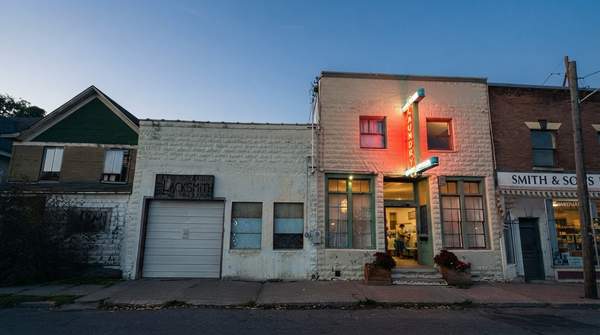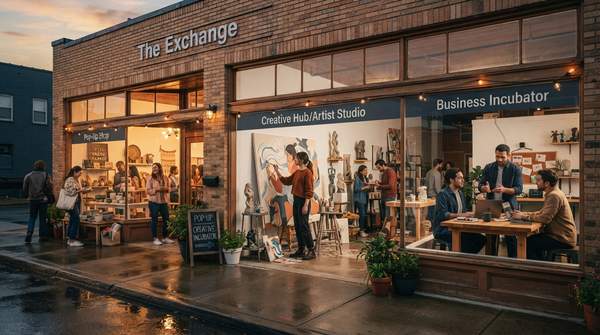
Communities and property owners who want to activate an empty storefront have three proven models to choose from: temporary pop-up retail, creative or artist hubs, and business incubators. Each fills space, draws foot traffic, and benefits landlords differently, and each demands a different set of partners, timelines, and resources. The right choice depends on your goal—testing business concepts quickly, building a long-term creative presence, or systematically growing local entrepreneurs—and on whether property owners and local government will come to the table.
Understanding Vacant Storefront Activation: An Overview
Even a handful of empty storefronts can shape how residents and visitors judge a downtown's health, as the Municipal Research and Services Center in Washington State notes, while also cutting into sales tax revenue and local jobs. The pandemic intensified the problem: Chicago's Department of Business Affairs and Consumer Protection reported that commercial corridor vacancy rates rose significantly, harming brick-and-mortar businesses that depend on foot traffic. In response, cities and civic organizations have treated vacancies not as dead space but as usable assets.
Activation means putting a vacant space back into productive, usually temporary, use while the owner continues seeking a permanent tenant. Chicago's Small Business Storefront Activation Program, for example, awarded grants to fourteen community and economic development organizations that worked with small business owners and landlords to convert empty storefronts into functioning business spaces. The common thread across successful programs is collaboration: no activation happens without the property owner's consent, and most rely on chambers of commerce, business improvement districts, city agencies, and community groups to supply the organizing power.