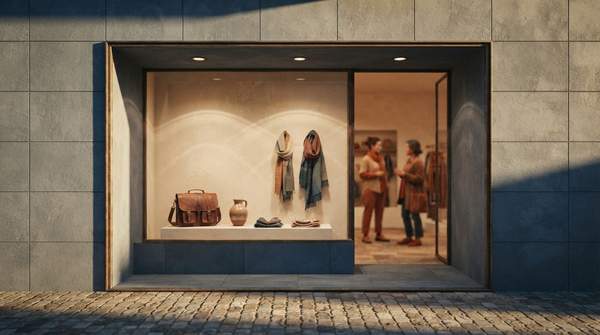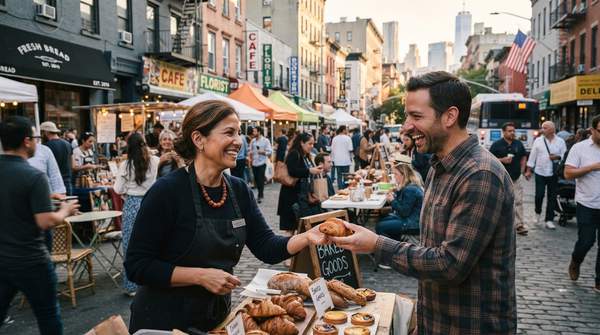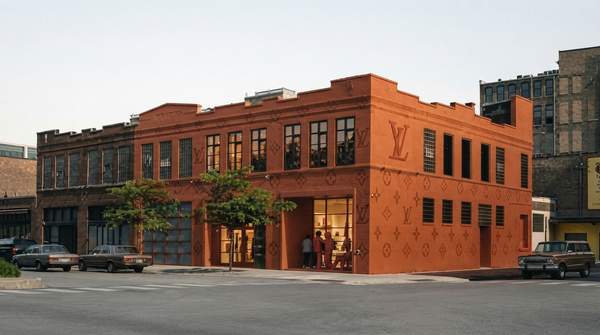
Pop-up shops have emerged as a powerful and flexible strategy for breathing new life into commercial districts struggling with vacant storefronts. By transforming empty retail spaces into temporary hubs for commerce and creativity, these short-term ventures offer a compelling solution for multiple stakeholders. For entrepreneurs, they provide a low-risk platform to test new business concepts and reach customers. For property owners and communities, they serve as a vital tool to combat blight, generate foot traffic, and foster a more dynamic local economy. This approach allows brands to evaluate a market before committing to a long-term lease, turning forgotten corners into vibrant destinations that can energize entire neighborhoods.
Community and Economic Revitalization Benefits
The impact of pop-up shops extends far beyond a single business or property, contributing to the broader revitalization of main streets and downtown cores. As a tool for community development, temporary retail can enhance the vitality and viability of commercial strips by activating dormant spaces. Initiatives like Seattle Restored exemplify this by partnering with local small businesses and artists to convert vacant storefronts into lively community spaces, featuring unique shopping experiences and art installations. This strategy directly addresses the high vacancy rates that can diminish a neighborhood's appeal, making the area more consumer-friendly and economically resilient. By encouraging a diverse mix of entrepreneurs, artists, and cultural organizations to occupy these spaces, pop-up programs help create a more dynamic and robust local economy, turning visible signs of decline into opportunities for innovation and public engagement.
A Launchpad for Entrepreneurs
For entrepreneurs, artists, and small businesses, the pop-up model serves as an invaluable, low-commitment launchpad. It offers a crucial opportunity to "test the waters" with a new product, service, or retail concept without the substantial financial risk and long-term obligation of a traditional lease. This flexibility is particularly useful for new and emerging brands seeking to gain brand exposure, connect with new customer segments, and gather direct market feedback. The economic significance of this model is substantial; according to an analysis from Pop Up Republic, the pop-up industry generates billions in annual sales in the United States. Programs designed to facilitate these ventures, such as San Francisco's Vacant-to-Vibrancy initiative, often look for applicants with a detailed business plan, a clearly identified target audience, and a proposed rental duration, underscoring that a well-conceived strategy is essential for success.