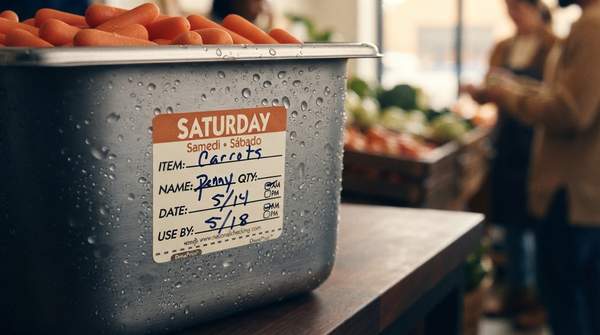
For most small, independent restaurants, the federal food labeling laws you hear about most often—FALCPA for packaged-food allergens and the ACA menu labeling rule for large chains—do not apply to made-to-order meals. Your primary compliance obligations instead come from state and local food codes, which are typically based on the FDA Food Code model but vary by jurisdiction. This guide explains the three-tiered regulatory system, helps you determine which tier governs your establishment, and walks you through the process of finding your specific local requirements. It covers the United States regulatory system and is not legal advice.
Understanding the Three Tiers of Food Labeling Regulation
Food labeling in the United States is governed by overlapping layers of authority. At the federal level, multiple agencies play roles: the FDA administers most food labeling rules, while the Federal Trade Commission ensures labels are fair and not deceptive, according to the National Agricultural Law Center's overview of food labeling. The same overview notes that various states and municipalities impose their own food labeling requirements, although there have been efforts to negate some of these local mandates.
The critical point for restaurant owners is that federal allergen and menu labeling laws leave significant room for state and local enforcement. A peer-reviewed assessment of food allergy regulation in the dining industry explains that code enforcement is left to state and local authorities, resulting in variations across the country. In practice, that means the rules that actually bind your kitchen are most likely written at the state or municipal level, even when they borrow heavily from federal models.